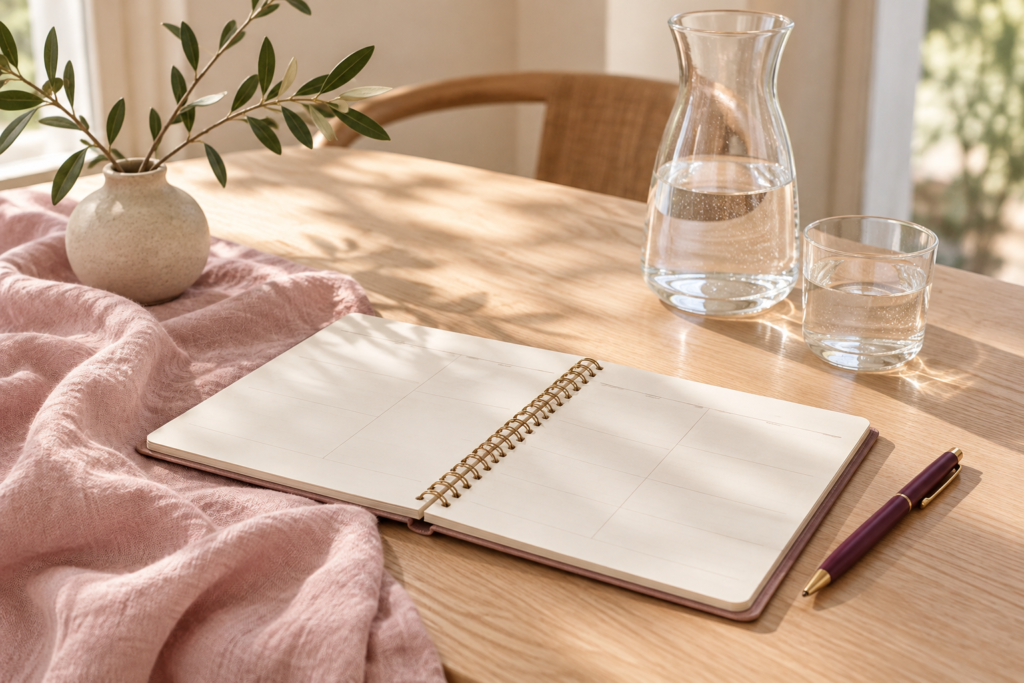
A drink water routine can be as simple as making water easy to reach at the moments you already eat, pack your bag or take a break. You don’t need a bottle with motivational markings or a number from social media. A more useful starting point is figuring out where access or forgetfulness gets in the way, then fixing that one thing.
This guide is about practical reminders, not a prescribed daily amount. If a clinician has told you to limit or adjust fluids for a health condition, follow that advice rather than a general routine online.
Myths and facts about everyday hydration
A lot of hydration advice is repeated so often that it sounds official. Here’s what the sources actually say.
Myth: everyone needs exactly eight glasses a day.
Fact: Mayo Clinic calls eight glasses easy to remember and a good goal, but says some people need less fluid and others need more. The CDC explains that daily water recommendations vary by age, sex, pregnancy status, activity level and breastfeeding status.
Myth: only plain water counts.
Fact: Mayo Clinic says other liquids such as tea, coffee and milk help keep you hydrated and count toward your daily fluids, though soda, sports drinks and juices can be high in sugar, salt and calories. The CDC notes that foods, especially fruits and vegetables with a high water content, also add to your fluid intake. Mayo Clinic estimates that food provides about 20% of the water you need each day.
Myth: flavored water detoxes your body.
Fact: none of the sources here make that claim. The CDC simply suggests adding a wedge of lime or lemon as one way to make water more appealing. Enjoy the flavor; skip the cleanse marketing.
Myth: you can’t drink too much water.
Fact: Mayo Clinic says drinking too much water is rare and typically not a problem for healthy adults, but it can happen, for example in some athletes before long or intense workouts. When it does, sodium levels can drop too low, a condition called hyponatremia that can be life-threatening. More is not automatically better.
Start with access, not willpower
Think about where you spend the longest stretches of your day. Is safe drinking water available there? Can you refill a container? Are drinks allowed? A reminder can’t solve an access problem, so answer these first:
- Where is the nearest place I can get safe drinking water during the day?
- Can I carry a container, and is it one I can comfortably lift, open, clean and carry?
- Are there workplace rules about drinks at my station?
- Does anything change on travel days or days at a different site?
A smaller cup may be more practical than a big bottle if grip, storage space or transport is an issue. Accessibility matters more than matching a trend.
Five anchors for a drink water routine
Instead of setting alarms, attach water to things that already happen. The CDC’s own tips include carrying a reusable bottle, serving water with meals and choosing water when eating out. Pick one or two of these anchors, not all five:
- Meals. Set out a glass when you prepare or sit down to eat. MedlinePlus says that if you drink when you feel thirsty and have beverages with meals, you should get enough water to stay hydrated.
- Leaving the house. Add a bottle to your existing check: keys, essentials, water. Confirm the lid seals before it goes near papers or electronics.
- Arriving somewhere. When you get to work, note where you can refill.
- A permitted break. Pair a refill with getting up from your desk.
- Hot or active days. The CDC says your body needs more water in hot climates, when you’re more physically active, and when you have a fever, diarrhea or vomiting. Use those days as a cue to plan ahead.
The CDC also suggests freezing water in freezer-safe bottles if you prefer it ice-cold all day. Clean whatever container you use according to its care instructions, rather than topping up a bottle that’s hard to wash.
A sample routine, filled in
Here’s what a realistic plan can look like for someone who works on site and commutes by bus:
| Moment | What happens |
|---|---|
| Breakfast | A glass of water or a cup of tea with breakfast. |
| Leaving home | A small bottle goes in the bag with keys and badge. |
| Arriving at work | Refill at the break room tap. |
| Lunch | Water with the meal; milk or sparkling water if preferred. |
| Hot days | Check where refills are before leaving, rather than assuming. |
This is a planning example, not a fluid prescription. Change every row that doesn’t fit your day.
How to tell if your routine is working
Mayo Clinic says you may be drinking enough if you don’t often feel thirsty and your urine is colorless or light yellow. Thirst deserves attention, though. Cleveland Clinic advises responding to thirst right away by drinking fluids, preferably water. MedlinePlus notes that thirst can change as you get older, and Cleveland Clinic says adults 65 and older are at higher risk of dehydration because they may not notice thirst as easily.
Avoid turning this into a competition. You don’t need to match anyone else’s bottle count. If you track volumes because of a medical issue, ask your care team what to record and what target applies to you.
When thirst or fluid loss needs medical help
Persistent unusual thirst, difficulty keeping fluids down or other worrying symptoms are reasons to talk to a professional rather than simply drinking more. Cleveland Clinic lists headache, confusion, a high heart rate with low blood pressure and dark urine among the symptoms of dehydration in adults. It advises calling 911 or your local emergency number, or going to an emergency room, for symptoms of severe dehydration or heatstroke. This article can’t tell whether someone is dehydrated or what treatment they need.
Link it to one other habit
Setting out water pairs naturally with one of our fiber breakfast ideas, especially since fiber works better with enough fluid. A permitted break is another good moment; our guide to movement breaks at work shows how to use transitions you already have. Choose one anchor for tomorrow and check after a week whether it actually helped.
Frequently asked questions
Does coffee count toward my fluid intake?
Yes. Mayo Clinic says tea, coffee and milk help keep you hydrated and count toward your daily fluids. The CDC notes that moderate caffeine, up to 400 mg a day or about 2 to 3 cups of plain coffee, can be part of a healthy diet for most adults.
Is sparkling water as good as still water?
The CDC lists sparkling water and seltzers among low-calorie drink choices, so choose the type you enjoy and will actually drink.
Do I need more water when I’m pregnant or breastfeeding?
Mayo Clinic says you may need more fluids during pregnancy and breastfeeding. Ask your clinician what’s right for you.
Read how we prepare articles in our editorial policy, and see our medical disclaimer for the limits of general health information.
Sources
- CDC: About Water and Healthier Drinks
- Mayo Clinic: Water: How much should you drink every day?
- MedlinePlus: Water in diet
- Cleveland Clinic: Dehydration